
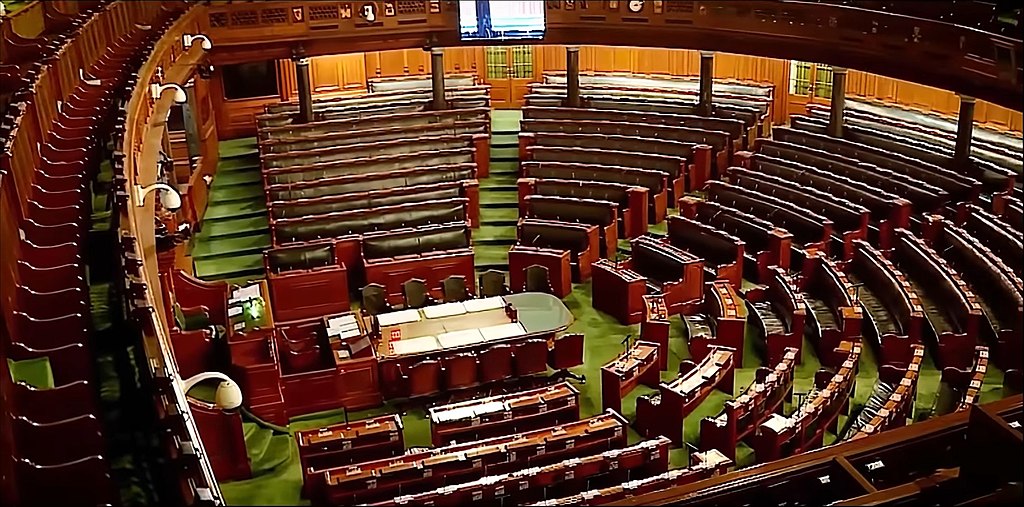
The landscape of Indian constitutional law is experiencing a significant transformation as recent developments in parliamentary proceedings and judicial oversight raise fundamental questions about the balance of power in our democratic system. These developments have sparked intense debate among legal scholars and practitioners, particularly regarding the intersection of parliamentary privileges and judicial review.
The Evolution of Parliamentary Privileges
The concept of parliamentary privilege, enshrined in Article 105 of the Constitution, has traditionally been viewed as a cornerstone of legislative independence. However, recent cases have necessitated a fresh examination of these privileges in the context of modern democratic principles. The courts are now tasked with defining the delicate balance between preserving parliamentary autonomy and ensuring constitutional safeguards for elected representatives.
Constitutional Framework and Emerging Questions
At the heart of current legal discourse lies the complex relationship between parliamentary proceedings and fundamental rights. The judiciary faces the challenging task of determining when and how to intervene in parliamentary matters without undermining the legislature’s autonomy. This has led to crucial discussions about the scope of judicial review in cases involving parliamentary decisions, particularly those concerning member expulsions and ethics violations.
Procedural Evolution and Natural Justice
The implementation of parliamentary procedures has come under increased scrutiny, with particular attention to the principles of natural justice. The legal community is witnessing the development of more robust standards for evidence evaluation and procedural fairness in parliamentary proceedings. This evolution reflects a growing recognition that even within the realm of parliamentary privilege, basic principles of justice and fair play must be observed.
Impact on Parliamentary Democracy
These developments are reshaping the landscape of parliamentary democracy in India. The emphasis on documented evidence and structured procedures in parliamentary proceedings marks a significant shift from traditional practices. This transformation suggests a move toward greater transparency and accountability in legislative functions, while still preserving the essential dignity and independence of the parliament.
The Role of Legal Practitioners
Legal professionals find themselves at the forefront of these changes, navigating new territories in constitutional and parliamentary law. The complexity of these cases requires a deep understanding of both constitutional principles and parliamentary procedures. Practitioners must develop expertise in handling matters that intersect with parliamentary privileges while ensuring robust protection of fundamental rights.
Future Directions in Legislative Reform
The parliament may soon need to consider comprehensive reforms to codify procedures and establish clear guidelines for handling ethics violations and member expulsions. Such reforms would need to balance the need for swift and effective action against the requirements of procedural fairness and natural justice. The development of these frameworks will likely draw from both established constitutional principles and emerging legal thought.
Judicial Development and Constitutional Interpretation
The judiciary’s role in shaping this area of law continues to evolve. Courts are developing nuanced approaches to reviewing parliamentary decisions while respecting the separation of powers. This judicial development focuses on ensuring that parliamentary actions align with constitutional principles while maintaining appropriate deference to legislative independence.
Implications for Democratic Governance
These legal developments have broader implications for democratic governance in India. The emergence of clearer standards and procedures strengthens institutional integrity and public confidence in parliamentary processes. This evolution represents a maturation of India’s democratic institutions, as they adapt to contemporary challenges while preserving fundamental constitutional principles.
Practical Considerations
The legal community must adapt to these changes by developing specialized knowledge and capabilities. This includes understanding the nuances of parliamentary procedures, constitutional limitations, and the evolving standards of evidence and proof in parliamentary proceedings. Legal professionals must also be prepared to handle urgent matters that require quick response while maintaining thorough legal analysis.
Constitutional Safeguards and Democratic Values
The ongoing development of this area of law reflects a deeper commitment to constitutional values and democratic principles. As procedures become more structured and transparent, they strengthen the foundations of parliamentary democracy while ensuring protection of individual rights and fairness in proceedings. This balance is crucial for maintaining public trust in democratic institutions.
Conclusion
The current developments in parliamentary and constitutional law mark a significant moment in India’s legal history. They represent the ongoing evolution of our democratic institutions and the legal framework that supports them. As these changes continue to unfold, legal professionals must stay engaged with developments in this area to effectively serve their clients and contribute to the strengthening of democratic institutions.
